Top Demat Account Choices For Trading And Long Term Investing
A demat account is an essential requirement for investors who want to hold shares and other eligible securities in electronic form. It removes the need to manage physical share certificates and allows investors to access their holdings digitally. However, selecting the right account requires an understanding of the services, charges and features offered by different providers. Finding the Best Demat Account depends on how an investor plans to use it, whether for frequent trading, occasional share purchases or long-term investing.
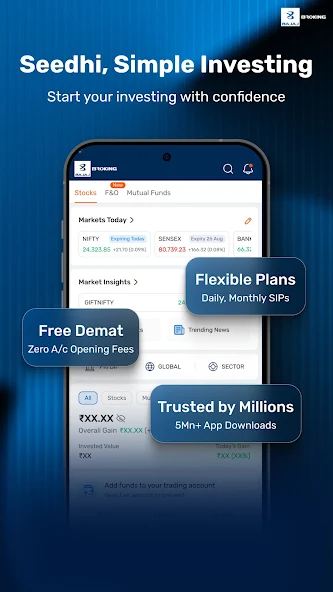
An Online Demat Account makes it possible to complete registration and manage many account services through a website or mobile application. Before opening one, investors should compare account maintenance fees, transaction charges, security measures and customer support. A careful comparison can help them choose an account that suits their financial needs.
What Is a Demat Account?
A dematerialised account, commonly called a demat account, holds shares and other eligible securities electronically. In India, these accounts operate through two central depositories: the National Securities Depository Limited (NSDL) and Central Depository Services (India) Limited (CDSL).
Investors access depository services through registered depository participants, which may include stockbrokers, banks and financial institutions.
A demat account can hold various securities, depending on the services provided and applicable rules. These may include:
- Equity shares
- Exchange-traded funds (ETFs)
- Government securities
- Bonds and debentures
- Mutual fund units held in demat form
The account records securities owned by the investor. It does not directly execute stock market transactions. A trading account is generally used to place buy and sell orders, while the demat account holds the securities purchased.
Why Choosing the Right Demat Account Matters
Different investors have different account requirements. Someone who trades regularly may prioritise transaction costs and trading platform integration. A long-term investor may focus more on annual maintenance charges, account security and the ease of reviewing holdings.
The right account can make routine investment management easier. It can also help investors understand the costs associated with holding and transferring securities.
When comparing providers, consider how often you expect to trade, which investment products you intend to hold and what level of customer support you may need.
Important Features to Compare Before Opening an Account
- Account Opening Process
Many providers allow investors to complete account registration digitally. The process generally includes entering personal details, submitting PAN and other required information, completing identity verification and providing bank details.
Check whether the provider offers a fully online process and whether any additional verification or documentation is required.
- Annual Maintenance Charges
Annual maintenance charges (AMC) are fees that some providers collect for maintaining a demat account. The amount and billing method vary between providers.
Some offer accounts without an AMC under specific conditions, while others charge a recurring fee. Eligible investors may also qualify for a Basic Services Demat Account (BSDA), subject to applicable regulations and value limits.
Review the complete fee schedule rather than choosing an account based only on a zero-annual-fee offer.
- Transaction and Depository Charges
Certain demat transactions may involve charges when securities are debited from an account. Providers may also apply fees for additional services or specific requests.
These costs can differ from brokerage charges, which relate to executing trades through a trading account. Investors should understand both types of charges before making a decision.
- Mobile App and Website Access
A good account interface should make it easy to view holdings, check transaction history and access account statements.
Useful digital features may include:
- Portfolio and holdings summaries
- Transaction history
- Account statements
- Corporate action information
- Secure login and transaction alerts
- Online service requests
Investors should check whether the app and website are easy to navigate and provide the account information they need.
- Security and Account Protection
Account security is important because a demat account represents ownership of financial assets. Look for secure login methods, two-factor authentication, transaction notifications and clear procedures for reporting unauthorised activity.
Keep passwords and PINs private. Never share one-time passwords or respond to messages asking for confidential account details.
Demat Account Requirements for Different Investors
Accounts for Frequent Traders
Frequent traders may need a demat account that works smoothly with their broker's trading platform. Quick access to holdings, transaction records and settlement information can make account management more convenient.
They should compare brokerage charges separately from demat-related fees. Frequent trading can result in additional costs, so understanding the complete pricing structure is important.
Accounts for Long-Term Investors
Long-term investors may not place orders regularly, but they still need reliable access to their holdings and account statements.
For this group, annual maintenance charges, account security, corporate action updates and service quality may be more important than advanced trading tools.
Investors who hold shares for several years should also keep their contact and bank details updated and review statements periodically.
Accounts for First-Time Investors
New investors may prefer a straightforward account opening process and an application that explains its services clearly.
Before opening an account, they should understand the difference between demat and trading accounts, review the charges and learn how securities are credited or debited.
A simple interface can help beginners manage basic account activities while they develop their investment knowledge.
How to Open an Online Demat Account
Opening an Online Demat Account is generally a digital process. The exact steps depend on the selected depository participant, but the usual procedure includes:
- Select a registered provider: Compare services, charges and account features.
- Visit the official website or app: Start the account registration process through the provider's verified channel.
- Enter personal information: Provide details such as your name, contact information and PAN.
- Submit required documents: Complete identity, address and bank verification as requested.
- Complete electronic verification: Follow the applicable e-KYC and electronic signature process.
- Wait for activation: The provider will review the application and share account details after approval.
Keep copies of relevant account information and read the terms before submitting the application.
Tips for Managing Your Demat Account
After opening an account, investors should follow a few basic practices to keep it organised.
Review holdings and transaction statements regularly. Check corporate action updates and confirm that securities are credited or debited correctly. Keep personal information current and use secure login credentials.
If you notice an unfamiliar transaction or incorrect holding, contact the depository participant through its official support channel. Investors should also understand the process for account closure or transfer if they decide to change providers.
Conclusion
Choosing a suitable demat account involves comparing costs, account services, security and ease of access. The Best Demat Account for a frequent trader may differ from the right option for someone building a long-term portfolio. Investors should consider their trading habits and investment requirements before selecting a provider.
An Online Demat Account can simplify electronic shareholding and make account information accessible through digital services. However, investors should read the fee schedule, understand the account terms and verify the provider before applying. A well-informed choice can support more organised management of shares and other securities over time.